
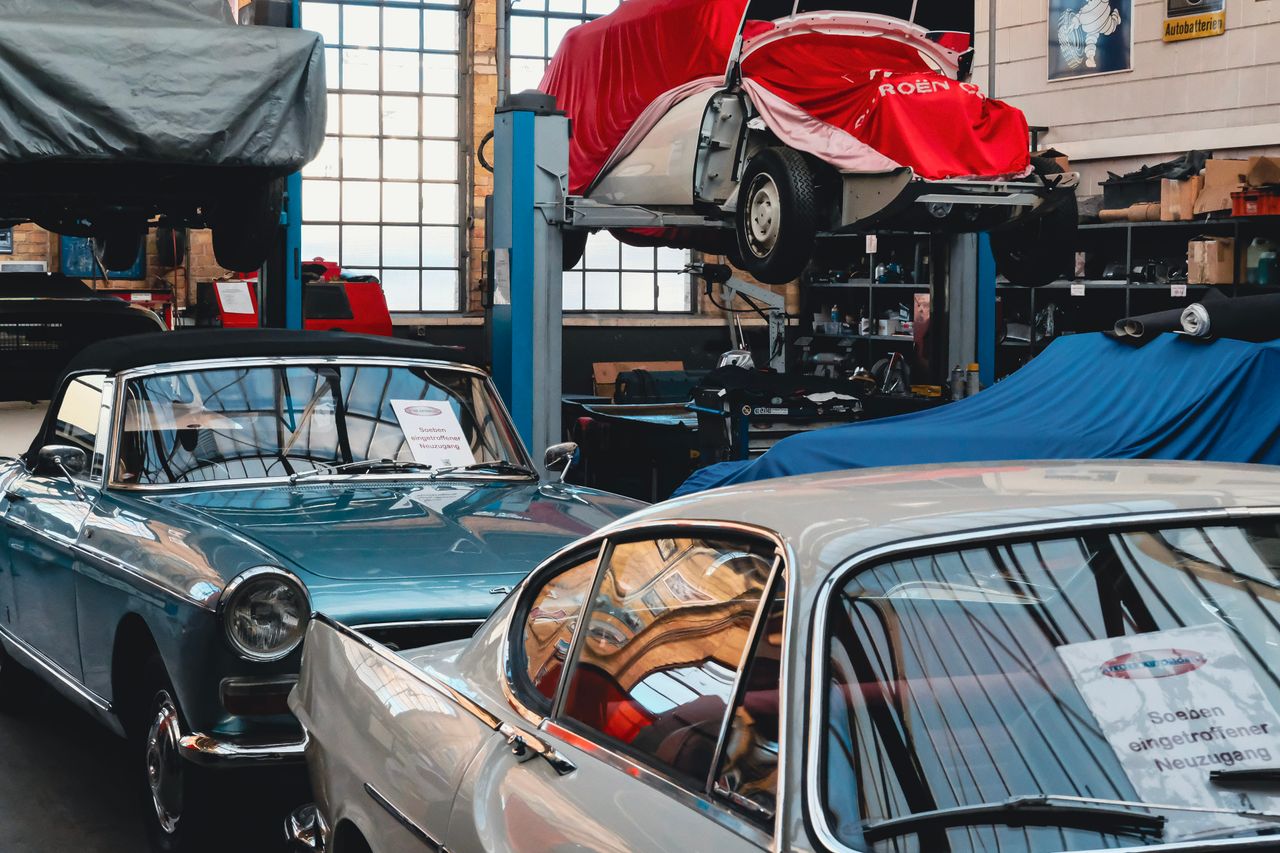
Not every difficult estate revolves around a house. A classic car, fishing boat, jewelry collection, or storage unit can create surprisingly complicated work. Titles may be missing, ownership may be shared, items may need appraisals, and relatives may disagree about who should receive an object with sentimental value.
A vehicle can generate registration fees, storage charges, insurance questions, and maintenance expenses while it remains unsold. Boats may have marina fees. Collectibles can be difficult to value because an online asking price is not the same as a completed sale. Some property may also require special transfer documents rather than an informal family agreement.
These complications matter to heirs because probate distribution is based on the estate’s lawful accounting, not just the assets everyone remembers. If an item is sold, the proceeds enter the accounting. If it is distributed to one heir, its value may affect the balance owed to others. An unresolved ownership dispute can delay decisions even when the asset is relatively small.
Beneficiaries can help by supplying photographs, records, title information, appraisals, or documentation of past ownership. They should avoid taking, selling, or transferring items before the authorized estate representative approves a lawful plan. Preserving records is often more useful than racing to clear a garage.
A question to ask before making a decision
Ask which movable assets have confirmed ownership, whether specialized valuations are needed, and whether storage or insurance costs are eroding value. Those questions reveal possible delay points early. The answer should identify the person responsible, the document supporting the answer, and the next decision point. If no one can identify those three things, treat the current timetable as uncertain. Probate often involves several parties whose responsibilities do not overlap neatly: the court handles orders, the representative manages the estate, service providers perform specific tasks, and beneficiaries receive information about their interests. Knowing whom to ask can prevent repeated, unproductive calls.
What this means for inheritance funding
If you need money while these issues are resolved, an inheritance advance might be considered when your overall expected share is established. A single collectible’s unverified value should not be treated as guaranteed cash. When reviewing a proposed advance, request a written breakdown of what you receive and what you relinquish from the future distribution. Also ask what happens if the probate process takes longer or the estate produces less than expected. An agreement should be assessed in relation to your actual financial need, not just the maximum amount on offer. Consider consulting an independent adviser if the terms are unfamiliar.
A useful safeguard
Before taking action, distinguish facts supported by estate documents from assumptions made in conversation. Note the source and date of every estimate you use. If the information changes, revisit your budget rather than trying to make the earlier number fit. This discipline helps beneficiaries avoid signing agreements or making purchases based on incomplete information about a future distribution.
The practical takeaway
A professional appraisal for an unusual asset may cost money, but an unsupported family estimate can cause a larger dispute. The representative should weigh the expense against the asset’s importance. If you are dealing with this issue, write down what is known, what remains uncertain, and which question needs an authoritative answer. That approach can protect your financial decisions while the estate proceeds. For beneficiaries who qualify, Approved Inheritance Cash can discuss inheritance advance options; the final decision should rest on clear terms, realistic expectations, and your personal priorities.
About Approved Inheritance Cash: If probate is delaying your inheritance, contact Approved Inheritance Cash to explore eligibility and understand the terms of a possible inheritance advance. Approval and amounts depend on the estate and your individual circumstances.