Learning that you are named as a beneficiary can create expectations about what you will eventually receive. But an important part of estate administration occurs before beneficiaries are paid: determining what the estate owes.
A person’s assets and debts do not necessarily disappear when they die. During probate or estate administration, valid obligations may need to be identified and addressed before the remaining assets can be distributed.
That can affect both the size and timing of an inheritance.
Estate Debts Come Before Final Distributions
An inheritance is generally based on what remains after the estate’s valid obligations and expenses are handled.
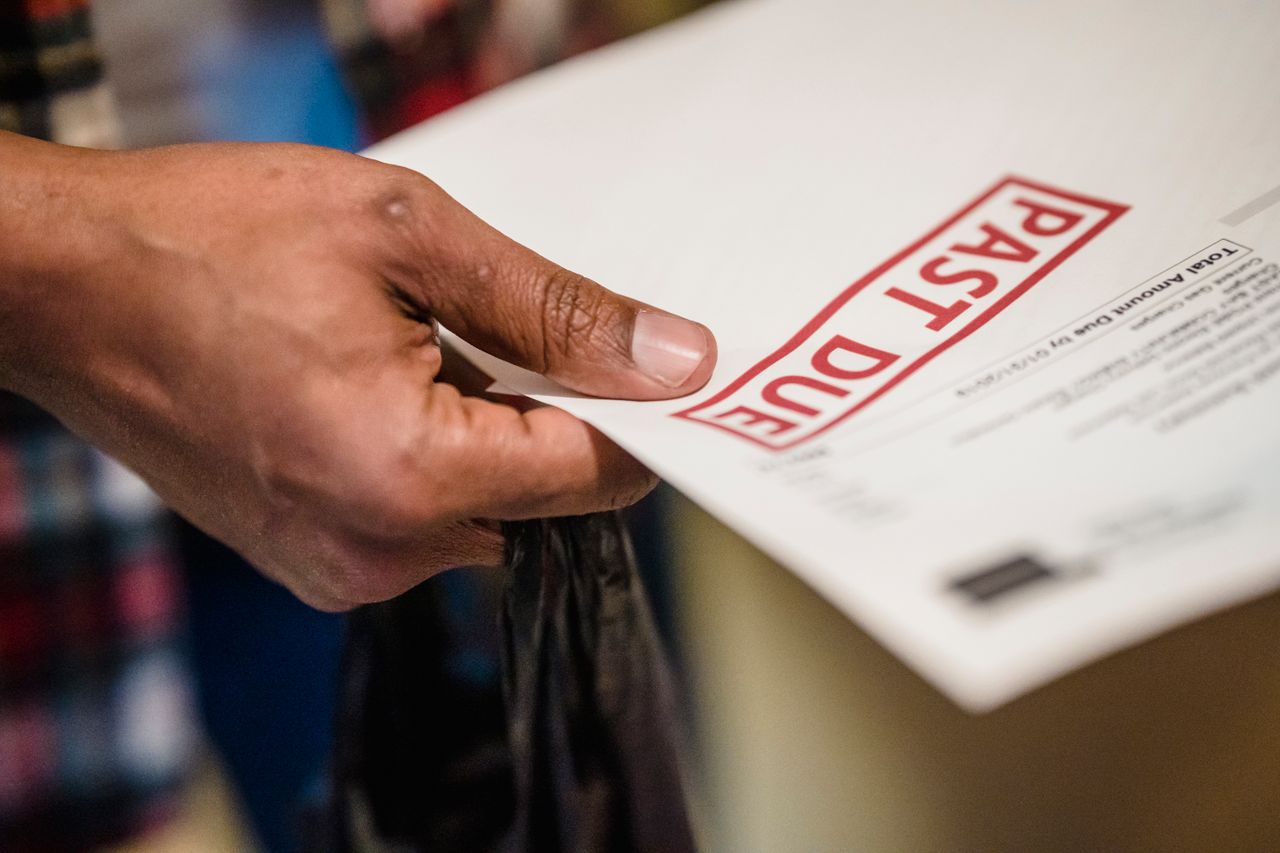
Depending on the estate, those obligations may include mortgages, taxes, medical bills, credit obligations, funeral or administration expenses, professional fees, or other valid claims.
The exact rules governing which obligations are paid and in what order vary by jurisdiction and circumstances.
This is why a beneficiary should be cautious about assuming that the gross value of an estate equals the amount beneficiaries will ultimately receive.
An estate may contain $500,000 in assets, for example, but that does not automatically mean $500,000 is available for distribution.
Creditors Can Affect the Timeline
Estate debts can also slow the process.
The executor may need to identify creditors, provide legally required notices, evaluate claims, dispute questionable claims when appropriate, and pay valid obligations.
Some estates have straightforward debts that can be resolved relatively quickly. Others may involve disputed claims, tax issues, secured debts, or insufficient liquidity.
Until the executor has a reasonably clear picture of the estate’s obligations, distributing money to beneficiaries may be difficult.
Real Estate Can Make Things More Complicated
An estate can appear wealthy while having very little available cash.
Imagine an estate containing a valuable home but only a small amount in its bank account. If debts and administration expenses need to be paid, the executor may need to determine whether assets must be sold.
If a property needs to be sold, the process can involve preparing the home, hiring a real estate professional, marketing the property, accepting an offer, and completing closing.
Beneficiaries may therefore wait even though the estate contains substantial value.
Are Beneficiaries Personally Responsible for Estate Debts?
Beneficiaries should distinguish between debts owed by the estate and their own personal debts.
Merely being named as a beneficiary does not automatically mean you personally assume every debt of the deceased. However, individual circumstances can differ, particularly where a beneficiary was already jointly responsible for an obligation or other legal arrangements exist.
Questions about personal liability should be discussed with an appropriate legal professional.
Don’t Spend an Inheritance Before You Receive It
Because estate debts can change the amount available for distribution, beneficiaries should avoid making financial commitments based solely on an estimated inheritance.
An executor may initially believe a beneficiary will receive one amount, only for unexpected expenses or claims to alter the final distribution.
This does not mean beneficiaries have no options while they wait.
It means those options should be evaluated based on realistic information about the estate.
What If You Need Money During the Process?
Probate and estate administration can continue for months while beneficiaries still face their own financial obligations.
If you are expecting an inheritance but cannot access it because estate debts, creditor claims, or other administration issues are still being resolved, an inheritance advance may be worth exploring.
Approved Inheritance Cash works with qualifying beneficiaries who want to determine whether they can access a portion of an expected inheritance before final distribution.
Every estate is different, and the estate’s assets, obligations, and expected beneficiary distribution all matter when evaluating available options.
If estate debts are contributing to delays and you need financial flexibility now, contact Approved Inheritance Cash. We can review the circumstances surrounding your expected inheritance and explain whether an inheritance advance may be available while you wait for the estate to complete its work.